

Mr Brülhart, you have the floor:
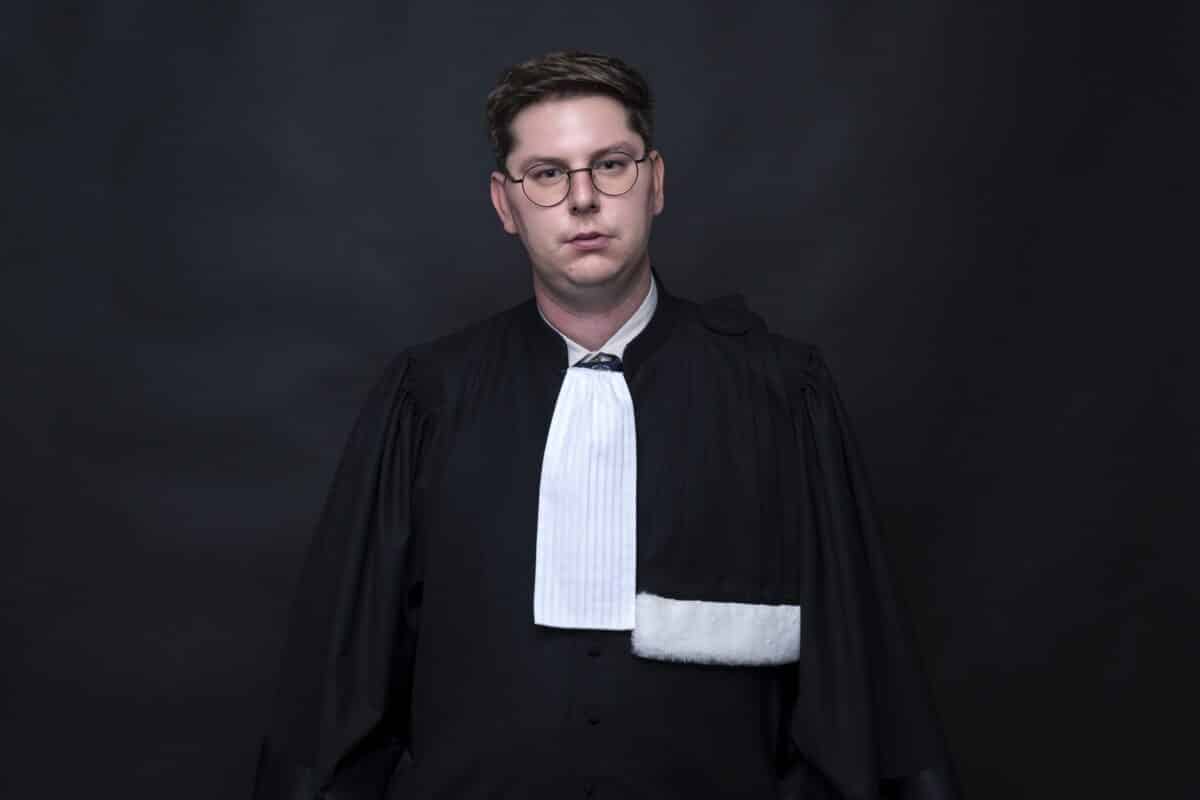
The avocat is not a philosopher.
The philosopher is in search of the truth, while the lawyer knows he won’t find it in his file.
But when justice tries to get closer to the truth, in order to enshrine judicial truth, it’s worth asking what the role of the lawyer is, the very person who is often perceived as the first obstacle to the truth.
First of all, I firmly believe that there is no such thing as absolute, quasi-divine truth. A criminal case is also, if not above all, about the interpretations of the protagonists. Ineffable human feelings lie at the heart of the facts. And while facts can, in theory, be described objectively and factually, feelings belong only to those who often lie to themselves. It seems to me, then, that this is an insurmountable obstacle to bringing the judicial truth into line with the naked truth.
Truth must be a certainty. If truth is uncertain, then it does not exist. Without certainty, there can be no truth. And the lawyer’s role is almost always to fight these certainties. His worst enemy is certainty. The certainty of a police officer who will ask leading questions. The certainty of a prosecutor who will prosecute with unshakeable conviction when criminal procedure would require him to drop the charge in case of doubt. But worst of all, the certainty of a judge who will have written his verdict before the client has even entered the courtroom.
But we lawyers are certain of one thing: the presumption of innocence must remain a fundamental principle at the heart of criminal justice. This is the only judicial truth that must remain: if there is any doubt, it must benefit the accused.
To be a lawyer is not to be a priest, a philosopher or a moralist.
It means being a technician of proof.
If the “truth” has been obtained through an illegal search, it doesn’t exist. Because it’s the deviation from the rules of procedure that allows us to move even further away from any form of truth. Because the absence of clear, precise rules is the beginning of judicial anarchy and a free pass for all kinds of injustice.
If the “truth” is not proven beyond all reasonable doubt, it legally becomes a lie. And often,
But let’s be clear: defending does not mean distorting reality.
It’s a reminder to the State that its own truth must be beyond reproach if it is to have the right to deprive a man of his liberty. It’s a reminder of the elementary rules that protect us all from the risk of miscarriage of justice.
Because, yes, if lawyers are so intransigent about the presumption of innocence, it’s because to betray it once is to accept that each and every one of us could become tomorrow’s scapegoat. We forget all too quickly that there was a time when the justice of men, the judicial truth of yesterday, burned witches.
So, do I want the truth?
I want proof.
And until the evidence is properly reported, the accused is not guilty.
That’s the only truth that counts in a constitutional state.
And sometimes I wonder why those who seem to be full of certainties give me the feeling of not knowing that truth. here.
